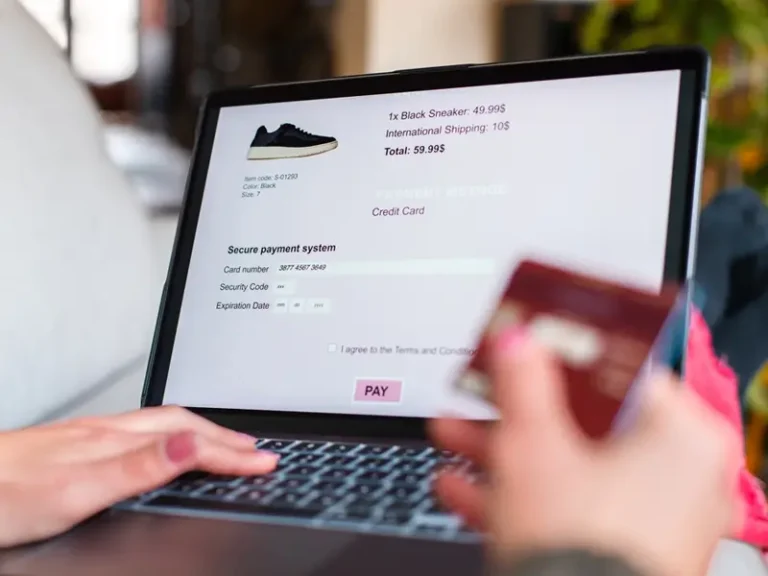


Delivering a seamless shopper experience is now the strongest differentiator for DTC brands operating in a crowded global ecommerce landscape. Today’s consumers expect frictionless discovery, transparent pricing, effortless checkout, and localised experiences that respect how they prefer to shop no matter where they live.
With competition increasing and acquisition costs rising, optimising the shopper journey is not just about conversion. It’s about building trust, increasing lifetime value, and creating consistent experiences across every market.
Here are 11 proven ways DTC brands can elevate the shopper experience in 2026.
1. Streamline the Path to Purchase
Attention spans are shorter than ever, and shoppers expect to get from landing page to checkout with minimal friction.
Simplify navigation, reduce visual clutter, and ensure key actions (such as add to cart, checkout, customer service) are clear, intuitive, and consistent across all devices.
Best practice: Aim for no more than three clicks from discovery to checkout.
2. Create Ultra-Fast, Flexible Checkout Experiences
Checkout is now the make‑or‑break moment.
Shoppers expect:
- One‑click or accelerated checkout
- Guest checkout by default
- Minimal fields
- Address auto-complete
- Instant payment authorisation
Reducing checkout friction directly increases conversion, especially in international markets.
3. Offer Market-Preferred Payment Methods
Payment choice is a key driver of trust and completion.
Local digital wallets, instalment options, cash‑based methods, and region‑specific solutions (e.g., iDEAL, Boleto, PIX, Klarna, Alipay) significantly boost conversion by meeting expectations in every market.
Brands that fail to localise payments risk losing shoppers at the final step, even if the rest of the journey is excellent.
4. Localise Beyond Translation
True localisation goes far beyond translation. It incorporates currency, pricing transparency, taxes and duties, and delivery and return expectations, all working seamlessly together to create a connected shopper journey.
Effective localisation includes:
- Market‑specific pricing
- Local currencies
- Culturally relevant content
- Regionally preferred merchandising
- Local delivery and return options
- Accurate local tax and duty calculations
For cross‑border shoppers, this level of familiarity creates immediate trust.
If you want to dig deeper into checkout localisation, check out our article Key Features of a Localised Checkout Solution.
5. Provide Complete Price Transparency
Unexpected costs remain one of the biggest causes of cart abandonment globally.
Shoppers expect:
- Clear pricing
- Transparent shipping fees
- Local taxes
- Duties shown upfront
- Guaranteed Delivered Duty Paid (DDP) options
Removing uncertainty is one of the most effective ways to increase international conversion.
6. Use Personalisation That Adds Value
AI‑driven personalisation, when done well, helps shoppers discover relevant products faster. Tailor content based on behaviour, local preferences, and past purchases, but ensure it feels helpful, not intrusive.
Personalisation improves both conversion and retention when it genuinely enhances the journey.
7. Support Mobile‑First Shopping
Mobile is often the primary channel for discovery and conversion.
Mobile experiences must be:
- Fast
- Simple
- Thumb-friendly
- Optimised for vertical scrolling
- Supported by mobile‑preferred payment options
A mobile‑first experience is no longer optional in global ecommerce.
8. Enable Trust Through Reviews, Guarantees & Social Proof
Shoppers want reassurance before committing.
Integrate:
- Verified reviews
- User‑generated content
- Quality guarantees
- Certification badges
- Localised trust markers
- Easy-to-find return and delivery policies
Trust signals reduce hesitation and support a confident purchase decision.
9. Enhance Post‑Purchase Communication
The experience doesn’t end at checkout.
Shoppers expect:
- Real‑time order tracking
- Localised updates
- Clear delivery windows
- Transparent returns processes
- Proactive communication if issues arise
Strong post‑purchase communication drives repeat buying and reduces customer service pressure.
10. Make Returns Effortless – Especially Across Borders
An easy return builds loyalty, even when the product wasn’t right.
Offer:
- Local returns options
- Pre‑printed labels
- Clear return windows
- Instant credit or fast refunds
Return policies are one of the first things global shoppers check before purchasing.
Check out our Shipping & Returns Guide (English only) to get the full picture on the returns experience.
11. Integrate Sustainability Throughout the Journey
Sustainability continues to influence shopper decisions.
Brands that offer:
- Responsible packaging
- Carbon‑aware delivery options
- Durable, long‑lasting products
- Transparent sustainability policies
…gain trust and differentiate themselves, particularly with younger shoppers.
Final Thoughts
In 2026, improving the DTC shopper experience means reducing friction, personalising intelligently, and offering complete clarity at every step, especially for international customers. When brands meet these expectations, they build trust, increase conversion, and strengthen loyalty across all markets.