The EU Just Rewrote the Rules of Cross-Border Ecommerce. Most Brands Haven’t Realised It Yet.
By Fionn Uibh Eachach, VP Global Commercial Services, ESW
For the last few years, whenever brands asked me what keeps global ecommerce leaders awake at night, my answer was usually the same: uncertainty.
Tariffs change. Trade agreements shift. Governments intervene. The rules move faster than operating models can adapt.
This week, the European Union reminded us that disruption doesn’t always come in the form of a trade war or a headline-grabbing tariff announcement. Sometimes it comes in the shape of regulation.
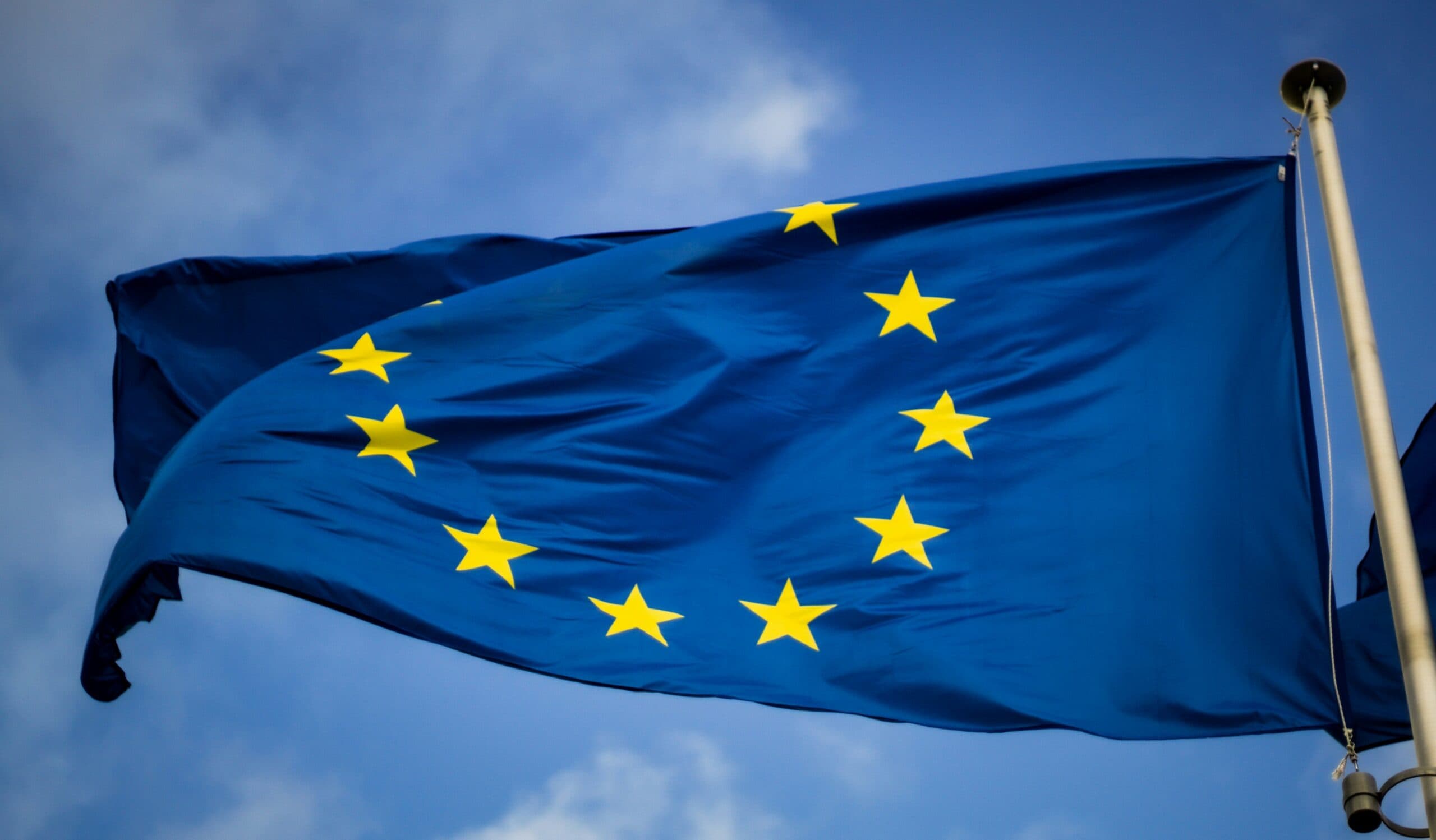
The EU has now approved the most significant reform of its customs framework in decades. While it may not generate the same attention as recent tariff disputes, its implications for cross-border ecommerce are arguably more profound and far more permanent.
For brands selling into Europe, this is not a compliance update. It’s an operating model reset.
Responsibility is moving upstream
The biggest change is deceptively simple. Under the new framework, many non-EU ecommerce platforms will become the Importer of Record (IOR) for the goods they sell into European markets.
Historically, customs liability often sat much further down the chain, frequently with the consumer. Going forward, responsibility for customs declarations, duty payments, compliance verification and reporting increasingly shifts to the platform facilitating the sale.
That changes the risk equation dramatically. Compliance is no longer a back-office function. It becomes a board-level issue with direct implications for margin, customer experience, growth plans and market access.
Brands that have treated customs compliance as an operational detail may soon discover it has become a strategic capability.
The economics of low-value shipments are changing
Greater accountability, greater transparency, greater data visibility, and greater responsibility for platforms and merchants.
The deadlines may be spread across November 2026, 2027 and July 2028, but the strategic implications are immediate. Brands effectively have three choices:
- Build customs, tax and compliance capabilities internally.
- Accept increasing regulatory and operational risk.
- Partner with specialists whose core business is absorbing this complexity on their behalf.
At ESW, we see this as part of a broader trend. Regulatory complexity is becoming one of the defining challenges of global ecommerce growth. Merchant of Record models, Importer of Record services, and integrated tax and duty compliance are moving from “nice-to-have” capabilities to essential infrastructure. The brands that thrive in Europe over the coming years won’t necessarily be the ones with the best products. They’ll be the ones with operating models built for a world where compliance, customer experience and global expansion are inseparable.
The EU hasn’t simply updated customs regulations. It’s redefining what it takes to operate globally at scale.
If you’re rethinking your European operating model in light of this reform, I’d welcome the conversation. Reach out to our team at ESW.